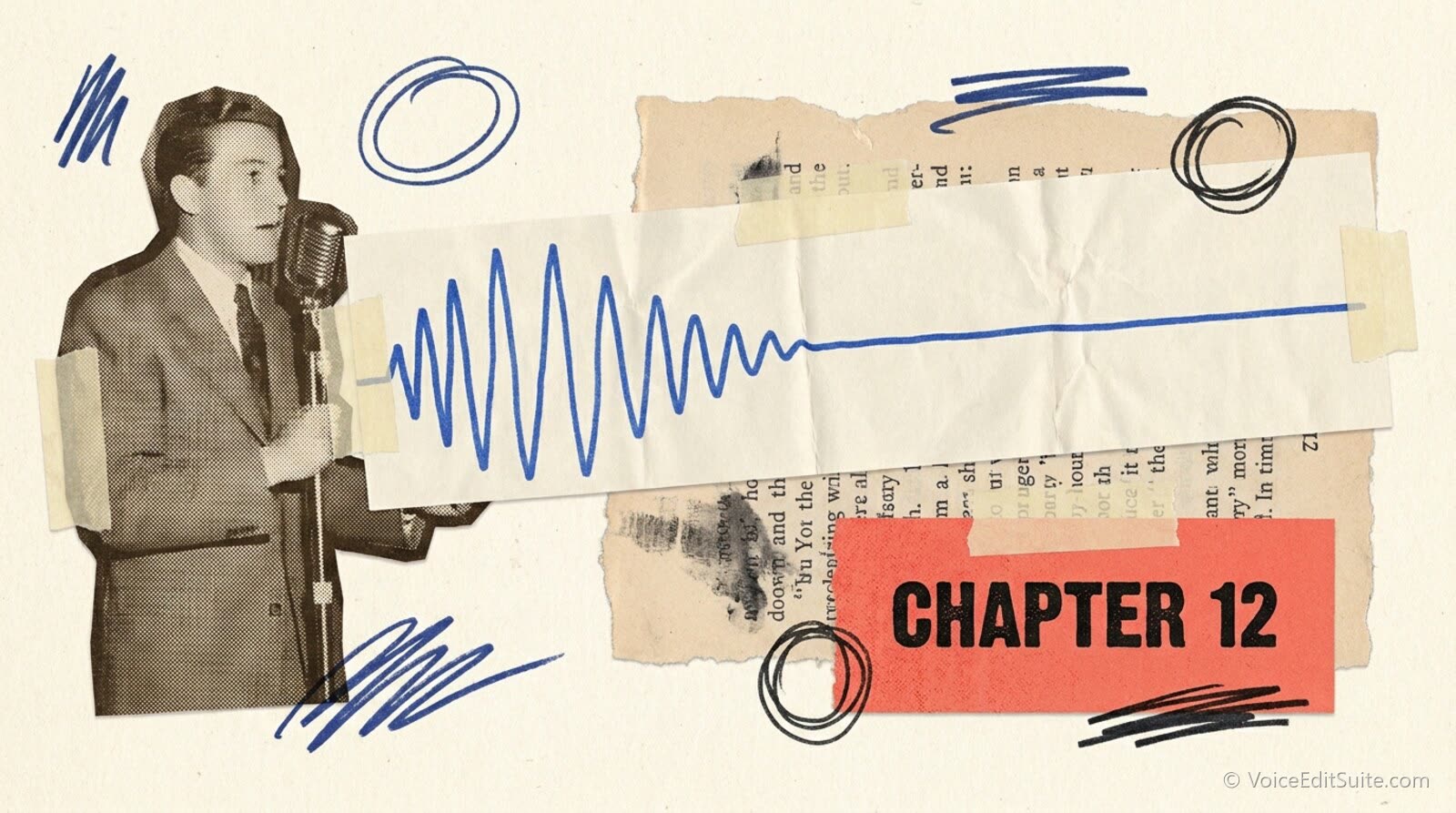
A monotone rarely sounds like one single flat drone from start to finish. It's quieter and more gradual than that: a narrator starts a chapter with genuine variety and, somewhere around page four or five, slowly settles into a narrower and narrower pitch and energy range without noticing it happening, because the slide is gradual enough that any two adjacent sentences still sound fine next to each other. The listener notices the drift even when the narrator can't hear it in the moment, which is exactly why this particular problem is so easy to record straight through and so hard to catch without deliberately checking for it.
Why This Happens Even to Experienced Narrators
Vocal variety takes active attention, and attention is a limited resource that a long session quietly spends down. Early in a chapter, a narrator is consciously varying pace, pitch, and emphasis. An hour in, most of that conscious effort has shifted toward simply maintaining accuracy, pronunciation, and not losing your place on the page, and the variety that used to be deliberate becomes an afterthought. Reading faster without sounding rushed covers a related version of this same attention problem: the habits that hold up early in a session are often the first ones to erode once fatigue sets in.
How Variety Actually Drifts Over a Chapter
The practical fix starts with catching the drift after the fact rather than trying to white-knuckle constant awareness through an entire session, which rarely holds up anyway. Listen back to the first two minutes and the last two minutes of a chapter side by side, specifically comparing energy and pitch range rather than content. If the end sounds noticeably flatter, that's the pattern showing up, and it's worth a short break and a reset before continuing rather than pushing through the rest of the book the same way.
What Actually Sustains Variety Over a Long Chapter
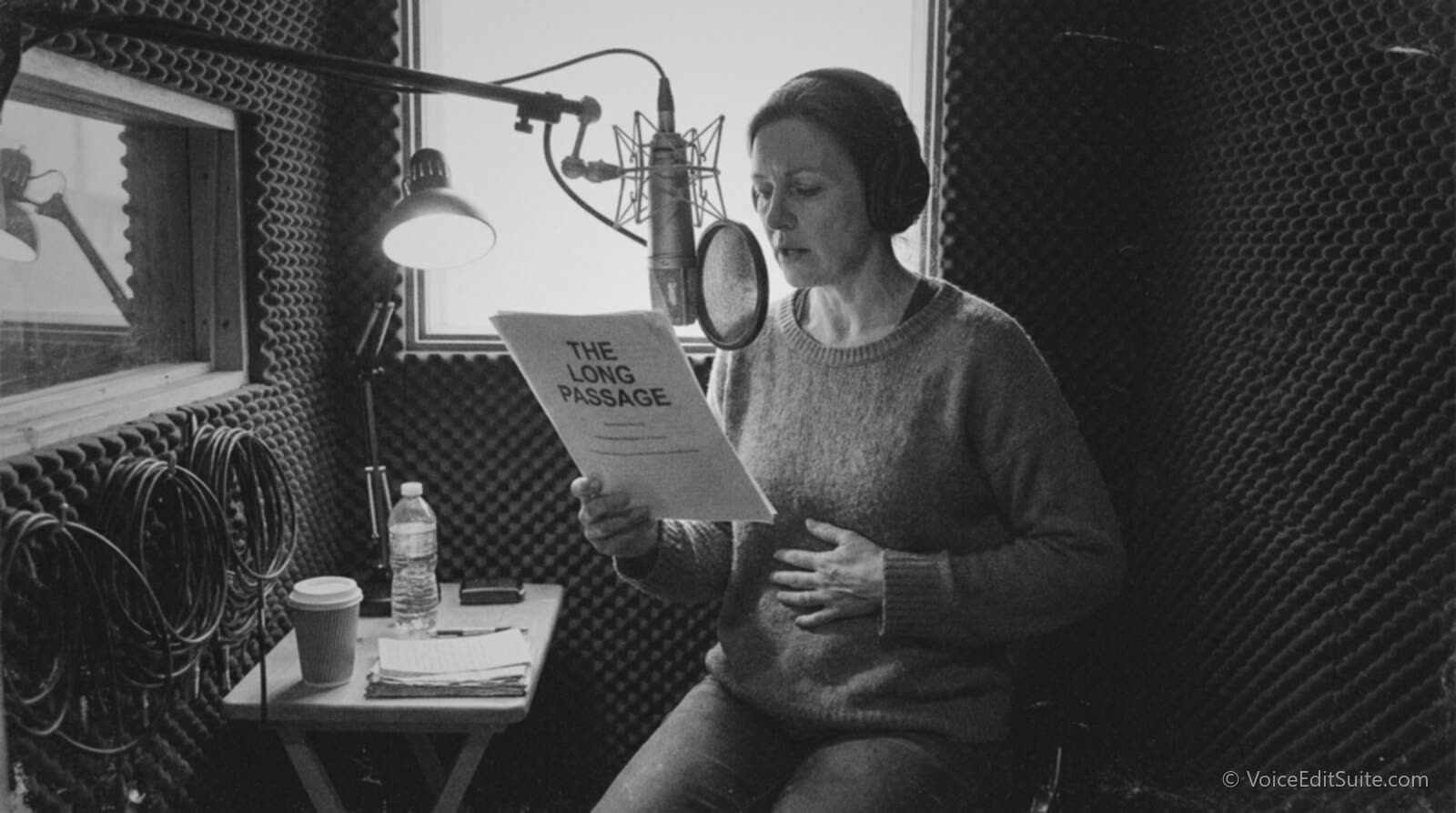
Genuine breath support, rather than pushing variety from the throat alone, matters more here than most narrators expect, because a voice running on shallow breathing simply has less physical capacity left for pitch range and dynamic contrast by the time fatigue sets in. Breath support and diaphragmatic breathing is the foundation the rest of this sits on, not a separate, unrelated skill. Short, deliberate breaks every fifteen to twenty minutes, long enough to physically reset rather than just a sip of water, do more for sustained variety across a full chapter than any single delivery trick.
Marking a script for emphasis before you record, rather than trusting yourself to find it live on every pass, also helps specifically because it externalizes the decision, so a tired brain doesn't have to generate variety from nothing in the moment. Character voice consistency applies the same logic to a different problem: a system you build once outperforms a habit you have to maintain through sheer concentration for hours at a time.
↗ Try the tool
Performance Coach
Hearing your own gradual drift in the moment is genuinely difficult. Performance Coach's breakdown of every take can flag a flattening pattern across a session that's much harder to catch by ear alone.
Open Performance Coach →Frequently Asked Questions
Does this matter equally for every kind of narration?
It matters most for long, continuous narration like audiobooks and documentaries, where a listener spends hours with the same voice. Pacing and character voices in audiobooks is worth reading alongside this, since pacing and variety reinforce each other across a long chapter.
If I notice drift after the fact, do I need to re-record the whole section?
Not necessarily the whole section, but it's worth re-recording from a natural break point before the drift started, once you're rested, rather than trying to patch in isolated sentences that won't match the surrounding energy.
How often should I actually check for this while recording a long project?
Checking at the end of every chapter or every recording block, rather than waiting until the end of a full project, catches the drift while it's still a quick fix instead of a pattern across dozens of chapters that all need the same correction.