The Question Most Voice Actors Ask First
"Is it time for a new microphone?" is almost always the wrong first question, because in a typical home setup the microphone is rarely the biggest thing standing between the recording you have and the one you want. Acoustic treatment on a budget usually does more for the final sound than a mic upgrade would, and so does basic technique: distance, angle, and consistency matter more than most voice actors assume. A genuinely better room and a consistent technique applied to a budget microphone will beat an expensive microphone fighting an untreated room, every time.
The Signs That Actually Point to the Microphone
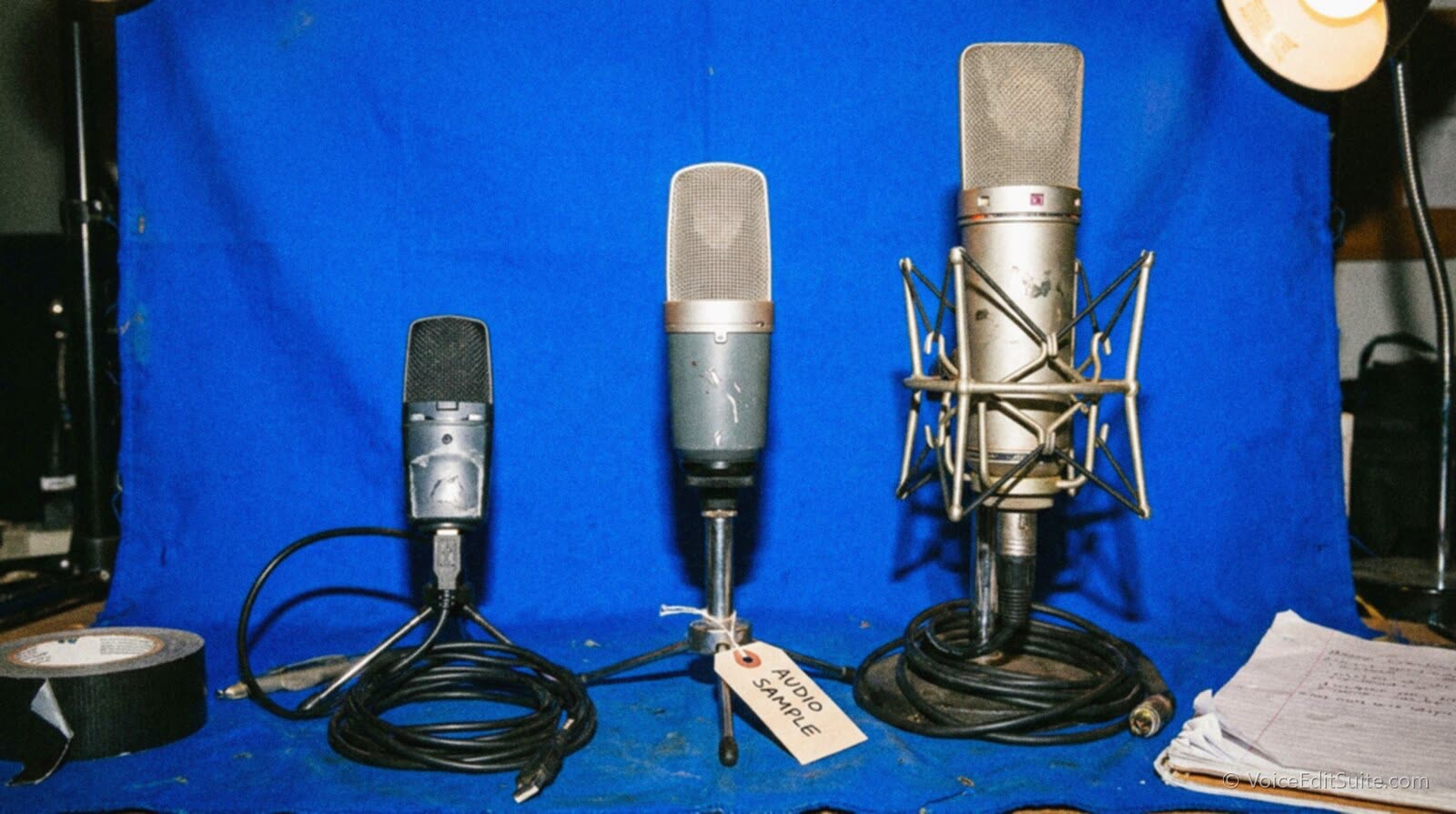
That said, a microphone genuinely can be the limiting factor, and there are specific, identifiable signs rather than a vague feeling that something sounds off. A persistent self-noise or hiss that shows up even in a quiet, well-treated room, audible at normal listening levels once you're past the obvious room and gain issues, points at the mic itself rather than the environment. A capsule that's noticeably changed character over years of use, sounding duller or less detailed than it used to on the exact same source, is a real sign of wear rather than imagination. And a genuine mismatch between what the work now requires, say, a shift into audiobook narration that demands a wider dynamic range than a budget USB mic was ever designed to capture cleanly, is a legitimate reason rooted in the work itself rather than gear envy.
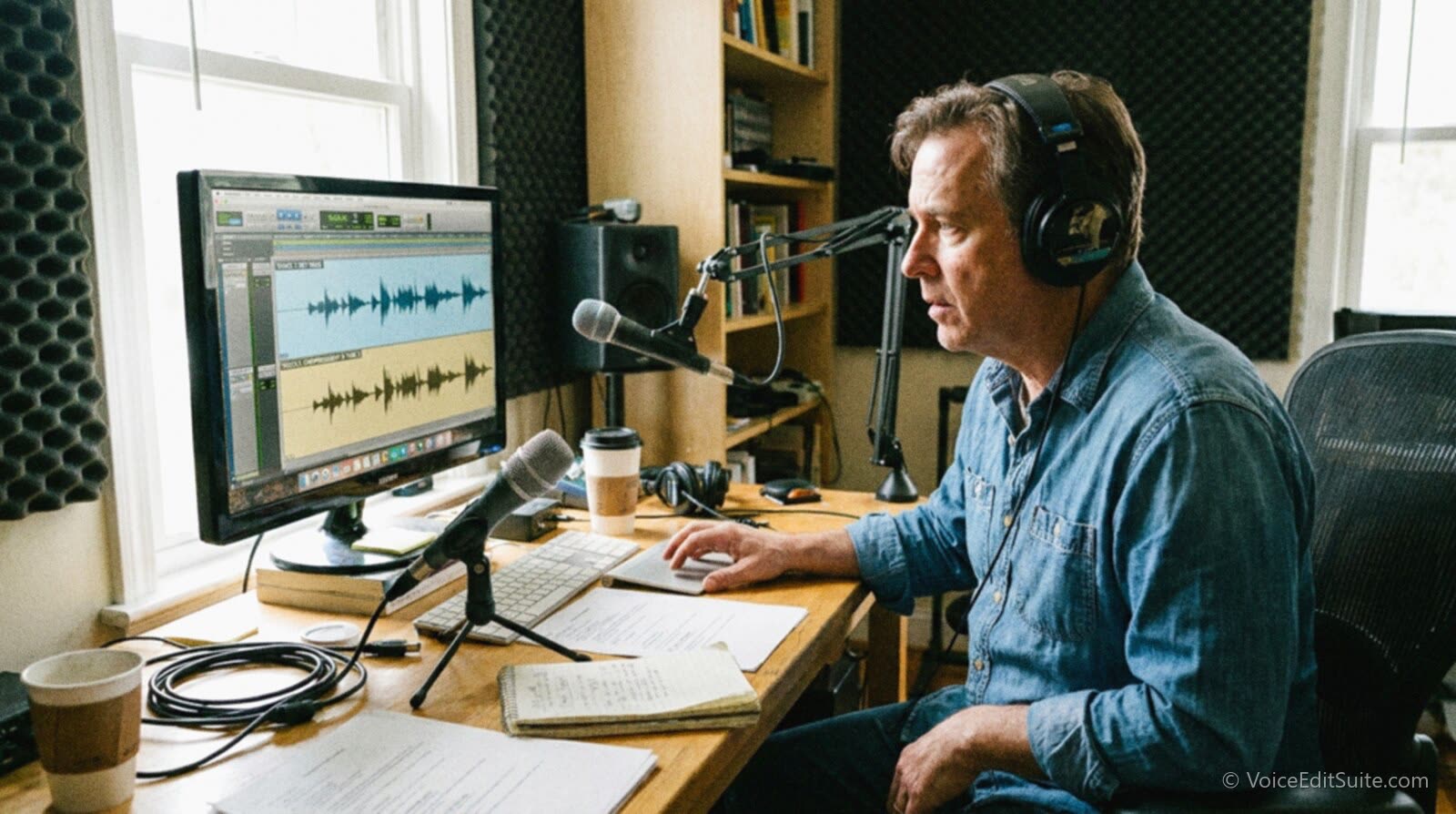
The honest test is a side-by-side comparison, not a feeling. Record the same short passage with your current mic in your actual room, then record it again on a borrowed or demo unit of whatever you're considering, in the same room, at the same gain-staged level. USB versus XLR microphones covers one common version of this comparison directly. If the difference is dramatic and consistent across several takes, that's real evidence. If it's subtle, or only shows up when you're listening for it specifically, the money is very likely better spent elsewhere, starting with the room.
What Usually Deserves the Money First
Before spending on a new capsule, it's worth ruling out the audio interface and gain chain as the actual culprit, since a weak preamp pushed too hard introduces its own noise and coloration that gets mistakenly blamed on the microphone. Buying guide for audio interfaces is worth reading before the microphone, not after, since a better preamp sometimes solves the exact problem a new mic was being considered for. Basic microphone maintenance matters too: a capsule that's been exposed to years of plosives and humidity without any cleaning can genuinely degrade, and cleaning and maintaining a microphone is a far cheaper first step than replacing it outright.
↗ Try the tool
Home Studio Analysis
Before spending on new gear, get an objective read on what's actually limiting your current setup. Home Studio Analysis checks your room and signal chain free, so you know whether the mic is really the bottleneck.
Open Home Studio Analysis →Frequently Asked Questions
Can a budget microphone genuinely sound professional?
Yes, in a well-treated room with correct gain staging and consistent technique. Budget microphones for voice over covers several options that hold up well against far more expensive alternatives once the rest of the chain is handled properly.
How do I know if I've genuinely outgrown my current microphone?
The clearest sign is a specific, named gap between what a project requires and what your current mic can deliver, not a general sense that something better must exist. If you can't name the gap precisely, you probably haven't outgrown it yet.
Is it worth keeping an old microphone after upgrading?
Often yes, as a backup for redundancy or for projects where its specific character actually suits the material better than your newer mic does. A working backup is worth more than the small amount it would likely fetch secondhand.