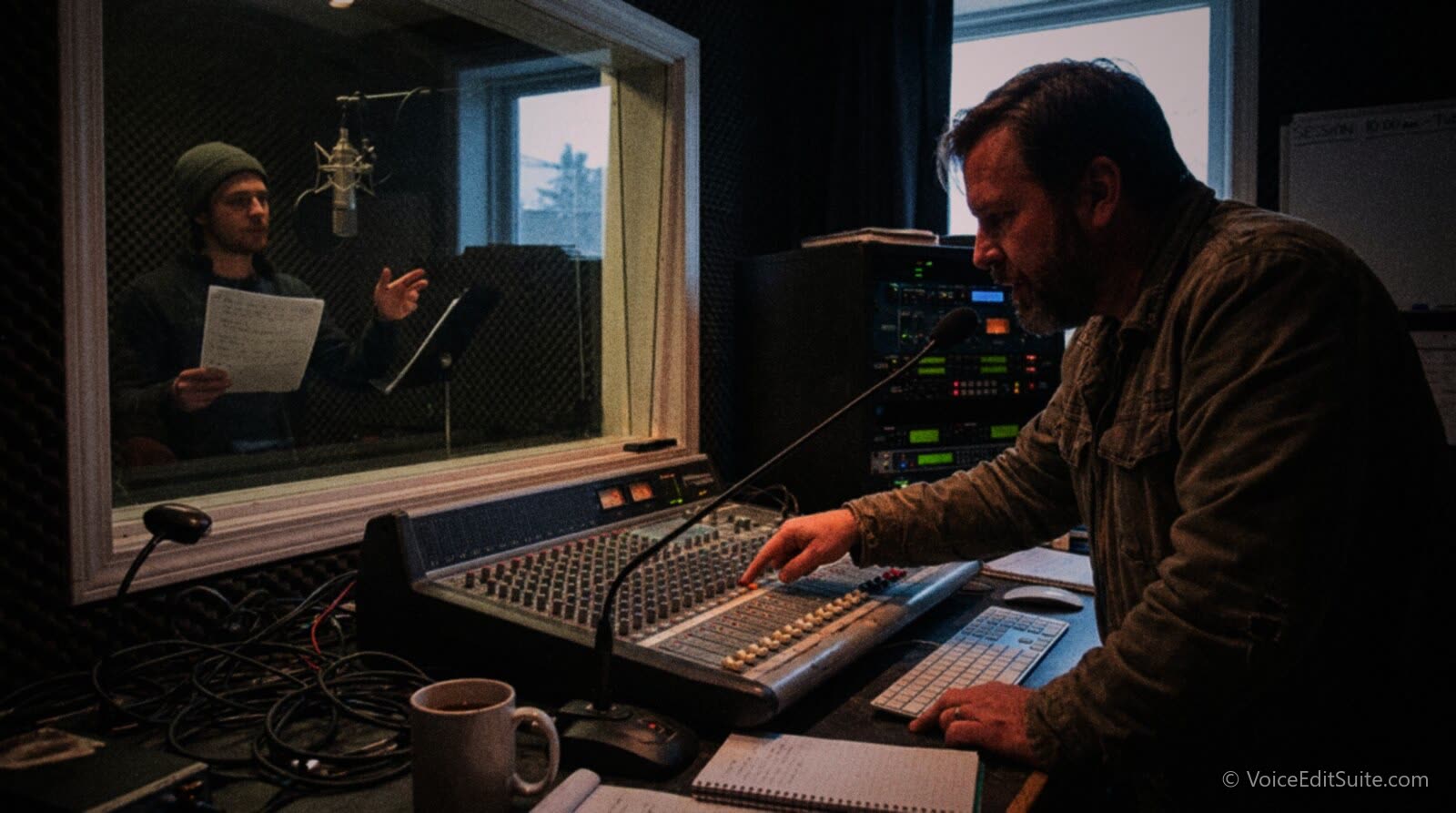
A first session with a voice over coach usually costs somewhere between $95 and $250, depending on the coach's experience, the market, and whether you are booking a single standalone hour or buying into a package. Public pricing pages from established training businesses show a half-hour session as low as $95 and a premium one-to-one audition session as high as $250 an hour, with most working voice actors landing somewhere in that range for ordinary coaching. The number is the easy part of this decision.
The harder, more useful question is which of several genuinely different products you are buying, and whether the person on the other end of the call is selling you training or selling you hope. This Guide is written from the buyer's side of the table: a voice actor hiring a coach, not a voice actor becoming one. If you are the one thinking about coaching others for extra income, Building a Second Income Stream: Coaching and Teaching Voice Over covers that side of the arrangement. Here, the goal is practical: what a first session actually costs and includes, the different formats coaches sell, what a session worth the money looks like, the specific red flags that separate real coaching from a sales funnel, and how a coach's job differs from a performance director's job and from an agent's job.
What a First Session Actually Costs, and the Formats Coaches Sell
Coaching is sold in at least five distinct shapes, and the price tag on each one tells you something different about what you're buying. A single hourly session is a different purchase from a demo-prep package, which is different again from a monthly retainer, a genre specialist's rate, or a seat in a group workshop. Treating all of these as one undifferentiated thing called "coaching" is how people end up paying package prices for something they only needed one session of, or paying for one session repeatedly when a package would have been cheaper.
A Single, Standalone Session
This is the simplest unit to buy and the right starting point for most voice actors who have never worked with a particular coach before. Published pricing from working coaching businesses runs from roughly $95 for a half-hour general session up to around $250 an hour for premium, specialist one-to-one audition coaching, with plenty of established coaches charging between $100 and $200 for a full hour of general coaching. Some coaches offer a discounted first-time trial session, sometimes under $25, specifically so you can test the fit before committing to anything larger. A single session is the format to book when you have one specific problem: a script you're stuck on, an audition you want a second opinion on, or a general "tell me what you hear" check-in.
Demo-Prep Packages
A demo-prep package bundles coaching sessions with the actual production of a demo reel: script selection, direction during the recording, editing, and mastering. Published pricing for a directed, fully produced demo reel runs roughly $900 to $1,800, and trade estimates for a demo that meets current production standards tend to cluster closer to $700 to $1,200, sometimes with a couple of coaching sessions folded into that figure. This is meaningfully more than a single session because it is actually a different product: you're paying for studio time and post-production as well as direction. The full guide to building a demo reel covers what belongs on it and how long it should run. The thing worth remembering before you book one is that a demo is a marketing asset meant to last a couple of years, not a purchase you make repeatedly because a coach keeps suggesting your current one is "holding you back."
Ongoing Monthly Coaching
Some coaches offer a standing arrangement: a weekly or biweekly session, billed monthly, usually at a modest discount off the single-session rate in exchange for the commitment. Built from the hourly ranges above at that frequency, a reasonable illustrative estimate lands somewhere around $300 to $900 a month, though no coach's published page gives that exact monthly figure directly, so treat it as a planning number rather than a quote. Ongoing coaching makes the most sense when you're working through a specific, multi-week goal, preparing for a genre switch, rebuilding a habit a previous coach or a self-review flagged repeatedly, rather than as a default way to work with any coach indefinitely.
Genre-Specific Coaching: Commercial, Animation, Audiobook
A coach who specializes in one genre generally charges within the same $100 to $250 hourly range as a generalist; the difference is focus, not price. A commercial coach drills the conversational, quick-turn read that a :30 spot demands and how to take a direction note and apply it on the next take without losing naturalness. An animation coach works on sustained character voices, breath control across longer takes, and reacting in character rather than reading lines. An audiobook coach focuses on pacing across hours of material, narrator consistency across sessions recorded weeks apart, and the stamina to keep a performance even when you're on chapter eleven of twenty. If you already know which genre you want to work in, a specialist is usually a better use of a limited number of paid sessions than a generalist covering a bit of everything.
Group Workshops vs. One-to-One
A group workshop, typically four to ten voice actors working through the same material with one coach over a session or a short series, costs considerably less per seat than a private hour, though reliable published per-seat pricing is hard to find, so treat any specific number here as an estimate rather than a sourced fact. The genuine upside of a group format is watching several other people take direction on the same material and hear, in real time, how a small adjustment changes a read; that's a kind of pattern-recognition a private session can't replicate as efficiently. The downside is obvious: your own material gets a fraction of the attention it would in a private hour. Group work is a good complement to private coaching, not a substitute for it when you have one specific, personal problem to solve.
What a Good First Session Actually Looks Like
A first session with a new coach should feel more like a working rehearsal than a lecture. You read a script, cold or with a minute to mark it up, the coach gives you a note, you read it again with that note applied, and you can hear the difference between the two takes. That cycle, read, note, re-read, repeated three or four times inside a single hour, is the actual mechanism by which coaching works. If an hour goes by and you can't point to a specific thing you did differently on your third read than your first, the session didn't do its job, regardless of how encouraging it felt in the moment.
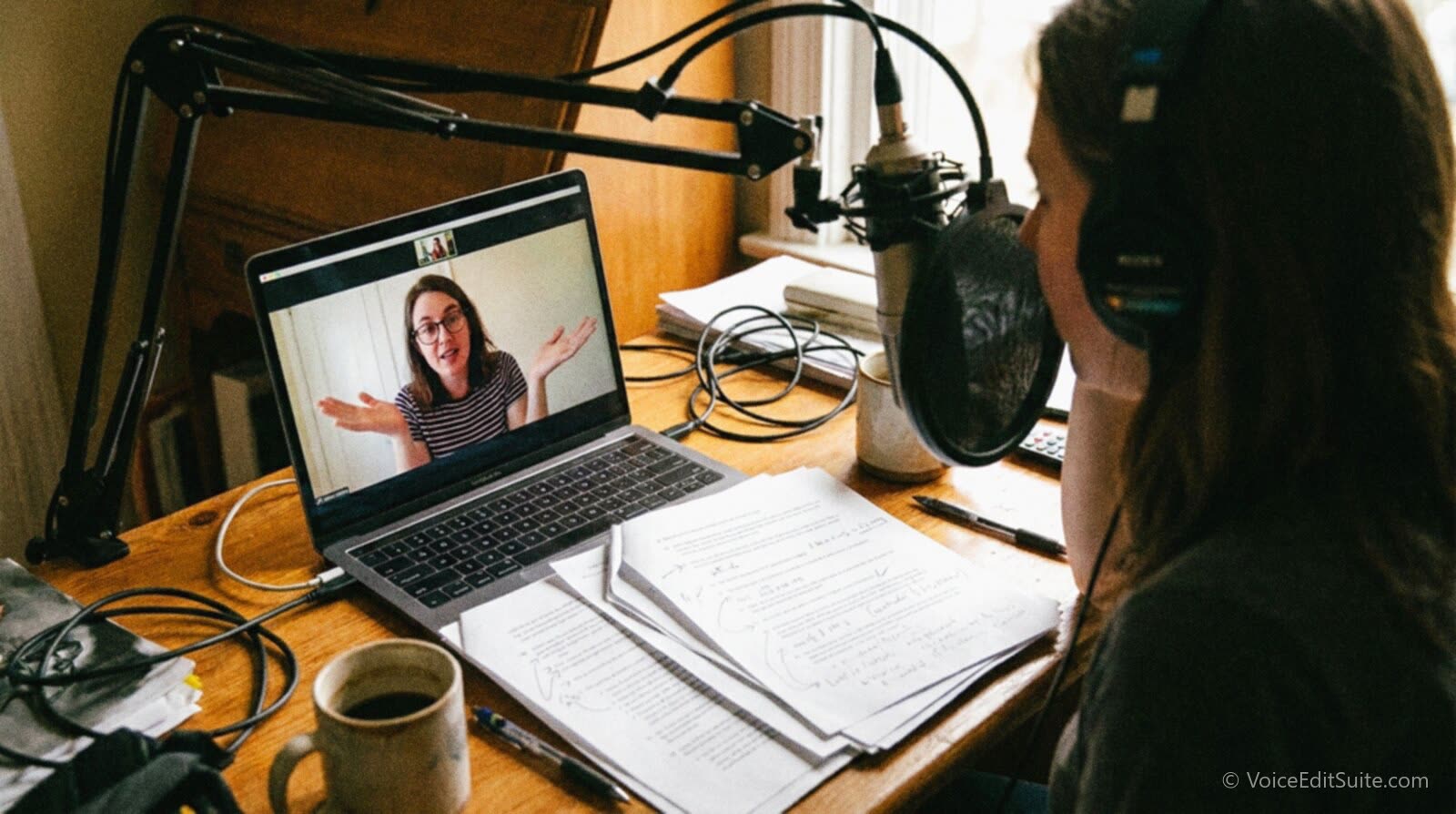
Pay attention, too, to whether the coach's notes are tied to the actual script in front of you or whether they could apply to any script by anyone. "Your energy dropped on the second paragraph" is a usable note. "You just need more confidence" is not, however true it might feel to hear. A coach worth the rate they charge will reference specific words, specific breaths, specific moments where the read changed, because that specificity is what lets you actually reproduce the improvement on your own afterward, long after the session has ended.
- A clear read, note, re-read cycle, not a monologue about the industry with little actual direction given on your own material.
- Notes tied to specific words or moments in the script you brought, not generic encouragement that would apply to anyone's read.
- A stated plan for what happens next: whether this was a one-off, whether a follow-up session makes sense, and specifically why.
- No pressure to decide anything about a demo, a package, or a recurring commitment before the session has even ended.
- Willingness to say a read was already strong, when it genuinely was, rather than finding something to fix on every single take to justify the hour.
How to Tell Whether a Coach Is Worth the Money
The honest test of a coaching session isn't how you felt walking out of it; it's whether a read you give a week later, with no coach on the call, has actually changed. Good coaching produces a durable shift you can reproduce alone: a habit of marking scripts a certain way, a specific fix for a pacing tendency, a new way of hearing your own energy drop before it happens. A session that feels great in the room but leaves nothing behind once you're reading by yourself again was closer to a pep talk than training, and a pep talk is a legitimate thing to want sometimes, but it shouldn't be priced or marketed as skill-building.
If a large part of what you're actually bringing to sessions is nerves rather than a technical problem, that's worth naming honestly to a prospective coach, and to yourself, before you book. Performance anxiety before auditions is a real, separate issue from read quality, and a coach who treats every tense, over-controlled take as purely a technical problem to fix with direction, rather than acknowledging the nervous system underneath it, is solving the wrong layer of the problem.
↗ Try the tool
Performance Coach
Human coaching is still the thing that actually changes how you read, but it's expensive to use as your only feedback loop between paid sessions. Performance Coach reviews a recorded take and gives a structured, measured breakdown, pace, energy, pitch steadiness, stressed and swallowed words, timestamped against the actual read, so you can practice applying last session's note on your own all week and walk into the next paid hour with something new to work on, instead of re-covering the same ground.
Open Performance Coach →That kind of between-session practice also sharpens your own ear for judging a take, which matters because a coach can't sit on every call you'll ever do. Self-directing when nobody else is on the call covers the skill of judging your own work fairly, and it's worth building deliberately alongside paid coaching rather than treating a coach as a permanent substitute for your own judgment.
Red Flags, Green Flags, and Pay-to-Play Schemes
Most coaches are exactly what they present themselves as: working or formerly working performers passing on real, specific knowledge for a fair hourly rate. A minority run something closer to a sales funnel dressed in coaching language, where the actual product isn't your improvement, it's your next payment. The warning signs are specific enough to check for directly.
Pay-to-Play Schemes
A pay-to-play setup charges a performer for access to an audition, a casting opportunity, or a booking, rather than for training itself. California's Krekorian Talent Scam Prevention Act, passed in 2009, makes it a misdemeanor for a workshop or casting professional to charge a performer for an audition or employment opportunity, carrying penalties of up to a year in jail and a $10,000 fine; the Los Angeles City Attorney's office has prosecuted multiple workshop companies and individual casting directors under it. A legitimate coach teaches you to read better. Anyone charging you specifically for access to a casting decision, rather than for instruction, is operating in the territory that law exists to stop, wherever you happen to live.
Guaranteed Bookings
No honest coach can promise you work, because booking decisions are made by someone else entirely, a client or casting director the coach doesn't control. The Federal Trade Commission has brought enforcement action against training operations that misrepresented their ability to land paying work for people who completed their programs, including a 1999 case against modeling and acting training businesses accused of posing as selective talent screeners to sell expensive courses. If a sales pitch leans on a specific promise of bookings, auditions, or guaranteed income rather than on what you'll actually learn, that promise is the product being sold, not the coaching.
Demo-Reel Upsell Pressure
A coach who genuinely has your interests in mind will tell you when you're not ready for a demo yet, because a demo recorded too early becomes a liability you then have to explain or quietly stop using. A coach who pushes a demo package on the first call, before hearing enough of your reads to actually know whether you need one, is optimizing for the sale rather than the outcome. Cold reading practice is usually a cheaper, faster way to find out whether you're actually ready for a demo than committing to a $1,000-plus package to find out the hard way.
What Good Coaching Looks Like Instead
- Pricing and formats are stated plainly, on a website or in a first message, before you book anything.
- The coach can point to real credits, their own or former students', that you can independently verify.
- Notes are specific and tied to your script, not general encouragement that could apply to anyone's read.
- They tell you when you don't need something, a demo, a package, an extra session, rather than defaulting to upselling.
- Coaching and casting stay separate. A coach can mention an opportunity they genuinely know about, but they are not selling you access to one.
Coach vs. Performance Director vs. Agent: Three Different Jobs
These three roles get blurred constantly, and the confusion costs people money and wasted sessions. A coach's job is teaching: building a durable skill over sessions that exist independent of any specific job, the same cold reading, pacing, and self-direction skills covered in how to get better at cold reading and in self-directing your own sessions. A performance director's job is production-specific: they're hired by a client to get a particular read, on a particular script, for a particular project, and once that project wraps, the relationship typically ends with it. An agent's job is business representation: submitting you for work, negotiating rates, and taking a commission on what you book, with no promise of coaching included and, legitimately, no expectation that they will personally teach you to read better.
A coach does not get you an agent, and an agent is not a substitute for coaching, though plenty of marketing blurs that line because it's a convenient thing to imply. Building a second income stream as a coach describes this exact relationship from the other side: the reason a credentialed coach can charge a fair hourly rate is specifically that teaching, directing, and representing are three separate kinds of expertise, and conflating them is usually how a buyer ends up paying coaching prices for something that was never training in the first place.
Frequently Asked Questions
How much does a first voice over coaching session cost?
Typically $95 to $250 for a single hour, based on published pricing from working coaching businesses, with most general coaching landing between $100 and $200 an hour. Some coaches offer a discounted trial session, sometimes under $25, specifically to let you test the fit before committing to more.
What is the difference between a voice over coach and a performance director?
A coach builds a general, durable skill across sessions that outlast any one job. A performance director is hired by a client to get a specific read on a specific script for a specific project, and the relationship is tied to that production. You might work with the same director only once; you can work with the same coach for years.
Do I need a coach before I get an agent, or instead of one?
They solve different problems and most working voice actors eventually use both. A coach improves your read; an agent submits you for paying work and negotiates on your behalf. Neither role guarantees the other, and a coach who implies that coaching with them leads directly to representation is making a promise that isn't theirs to make.
What is a pay-to-play voice over scheme, and how do I spot one?
It's any arrangement that charges you for access to an audition, casting decision, or booking, rather than for actual instruction. California's Krekorian Talent Scam Prevention Act makes this specifically illegal for workshops and casting professionals. The clearest sign is a required paid audition bundled into a coaching or demo package; a legitimate coach is paid to teach you, not to grant you access to a job.
How often should I actually book a coaching session?
There's no universal schedule. A single session makes sense when you have one specific problem to solve. Ongoing monthly coaching makes more sense when you're working through a multi-week goal, like a genre switch or a persistent habit a previous session flagged. Between paid sessions, deliberate self-practice, with your own ear or a structured tool, is what keeps a coach's notes from fading before the next hour.
Sources and Further Reading
- SAG-AFTRA Foundation, Voiceover Labs: free, union-funded voiceover lab access for SAG-AFTRA members, in person in Los Angeles and remotely via Source-Connect, as a lower-cost alternative or supplement to paid private coaching.
- California Krekorian Talent Scam Prevention Act, as reported by The Hollywood Reporter: the 2009 California law making it a misdemeanor to charge a performer for an audition or employment opportunity, and the Los Angeles City Attorney's prosecutions of workshop companies and casting directors under it.
- FTC, Model 1, Inc. settlement, Federal Trade Commission: a 1999 enforcement action against modeling and acting training businesses accused of misrepresenting their ability to land paying work for people who paid for their programs.
- Internet Scambusters, casting workshop warning: a consumer-protection explainer on pay-to-play casting workshop schemes and how to recognize one before paying.
- Such A Voice, personal voice-over coaching session pricing: a working voice-over training business's published per-session coaching rate, used for the single-session cost range in this article.
- VoiceReels, What Does a Voice Reel Cost?: published pricing for directed, fully produced voice-over demo reels, used for the demo-prep package cost range in this article.
- VoiceEditSuite Guides: Building a Second Income Stream: Coaching and Teaching Voice Over, The Voice Over Demo Reel, How to Get Better at Cold Reading, Performance Anxiety Before Auditions, and Self-Directing When Nobody Else Is on the Call.