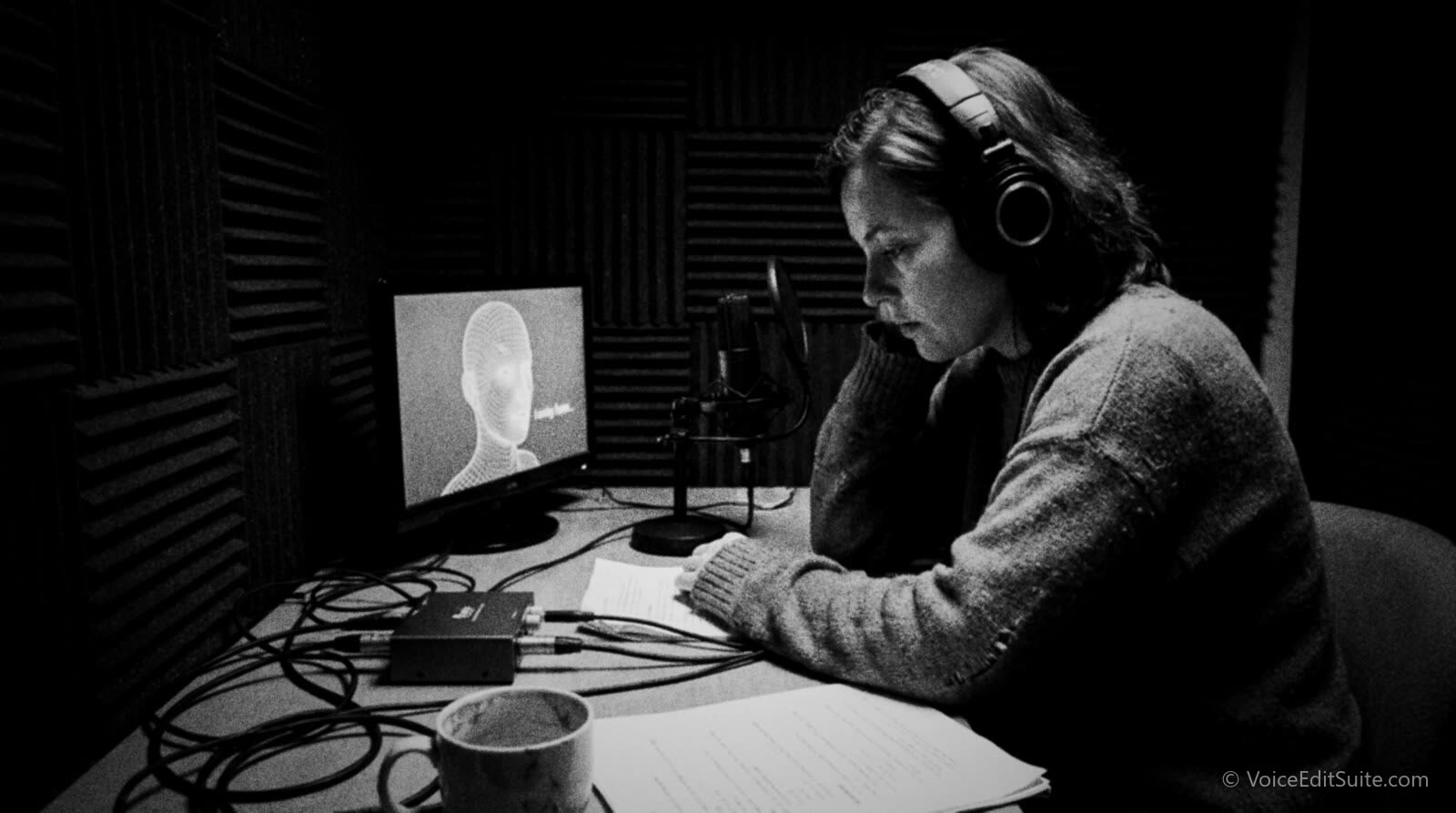
The short answer: a working slice of voice over casting now revolves around performing as a persistent digital human or virtual influencer, a computer-generated character built to exist indefinitely across social feeds, livestreams, advertising, and sometimes an entire product line, rather than retiring once a single game ships or a thirty-second spot stops airing. That distinction changes almost everything about how the work is cast, performed, and contracted. A traditional voice over booking ends when the project ends. A digital human contract can run for years, the performer behind the voice is effectively staffing a brand asset rather than a single character, and the consequences of a bad week, a leaked outtake, or a public backlash against the character land on a living, contracted human being even though the audience never sees their face.
What Counts as a Digital Human or Virtual Influencer
The vocabulary in this space is inconsistent enough across marketing, tech press, and union contracts that it's worth separating the terms before going further. A virtual influencer is a computer-generated character built specifically to operate as a social media personality, posting content, running sponsorships, and interacting with an audience the way a human influencer would, examples covered repeatedly in mainstream press include Lil Miquela, the Brud-created Instagram character active since 2016, and Rozy, launched by the South Korean studio Sidus Studio X and reported to be generating brand endorsement income within a year of her debut. A digital human is the broader, less audience-facing term, covering a computer-generated figure used for customer service, sales training, or brand representation rather than a public following of its own, such as Samsung's Neon project unveiled at CES 2020 and Sam, a separate avatar built for the company's Latin American retail operations.
Both categories differ from the AI voice cloning covered in how AI voice cloning is reshaping casting and rates in one structural way: cloning typically replicates a specific, named performer's own existing voice for reuse across many lines or projects, while a digital human or virtual influencer's voice usually belongs, contractually and often without public credit, to a human actor cast to originate the character's voice from scratch, the way any role is cast, rather than to stand in for an identity that already exists. It is also a different job than the single-title motion-capture work covered in performance capture and mocap voice work in games: a mocap voice actor in a AAA game performs one scripted character inside one production with a defined end date, while a digital human performer is often signed to originate and sustain a character indefinitely, sometimes with no announced end point at all.
The Market and Why It's Growing
How big this niche actually is depends heavily on which market research firm you ask and which segment they're measuring, and the spread between estimates is wide enough that any single number should be read as directional rather than precise. Straits Research values the global virtual influencer market at roughly $8.76 billion in 2025, rising to about $12.12 billion in 2026 on the way to a projected 38.4% compound annual growth rate through 2034. The Business Research Company's own virtual influencers report puts a similar 2026 figure closer to $11.74 billion, while Future Market Insights estimates the same year higher still, around $13.2 billion. The broader digital human category, which includes customer-service avatars and brand representatives that never post to social media at all, carries its own separate and separately inconsistent numbers: analytics firm Technavio sizes the digital human avatar market at about $7.47 billion for 2025 with a projected 43% compound annual growth rate through 2030, while research firm Astute Analytica puts the overall digital human market at a comparable $7.4 billion for the same year but forecasts a slower climb to roughly $49.3 billion by 2035.
Market research firm Roots Analysis, in a separate 2026 analysis, estimates that photorealistic, human-styled avatars, as opposed to stylized or cartoonish ones, held about 65% of the virtual influencer market that year, which tracks with where brand budgets have been moving: toward characters convincing enough to stand in for an actual spokesperson rather than an obviously animated mascot. None of these figures should be read as a count of jobs or performer income. They measure brand and technology spending across software, platform fees, and production, most of which never reaches the human actor supplying the voice at all, which is exactly why the contract terms covered later in this guide matter more to a performer's actual earnings than the industry's total size does.
How Casting and Direction Differ From Traditional Voice Over
Casting a digital human is closer to casting a recurring television role than booking a single voice over session, and the difference shows up from the first audition. A traditional commercial or game booking asks a performer to match a script and a director's intent for one project. A digital human casting call asks a performer to originate a voice, a cadence, and an emotional range flexible enough to support years of unscripted or loosely scripted content: brand posts, fan replies, livestream appearances, and sponsor integrations that haven't been written yet at the time of casting. That is a fundamentally different audition brief, closer to voicing a franchise mascot or a long-running game protagonist than reading a thirty-second spot, and it rewards performers who can sustain a consistent character choice across hours of improvised material rather than performers who are strongest at nailing one scripted read.
Continuity Over Years, Not Weeks
Because the character is meant to persist, the single document that matters most to a digital human performer's working life is the character bible: the reference material that locks in vocal register, pacing, catchphrases, forbidden topics, and brand tone so the character sounds like itself in session two hundred the same way it did in session one. Keeping a character's voice consistent across a long run is already a known discipline in episodic animation and long-running game franchises, but a digital human raises the stakes further, because there is often no separate showrunner or voice director checking the work against years of broadcast episodes the way a television production would. The brand's own social or marketing team, not a show's creative bible, frequently owns and updates that document in real time as the character's online persona evolves, which can mean a performer is asked to shift tone meaningfully, becoming warmer after a public relations misstep or sharper after a rebrand, with far less creative lead time than a scripted production would ever allow.
When Voice Work Comes With a Performance-Capture Base
Some digital human projects pair the voice work with a live performance-capture base, meaning the same actor's body movement, and sometimes facial capture, drives the character's animation in real time or near-real time, layered under a separately rendered computer-generated face and body. That arrangement borrows technique directly from the motion-capture voice work used in big-budget games, but the contract and schedule look different: a game's mocap sessions are blocked against a fixed production calendar with a ship date, while a digital human's capture sessions often run on an open-ended cadence tied to a brand's ongoing content calendar, meaning the performer's availability becomes a standing scheduling commitment rather than a finite booking with a visible end.
Brand Safety and Why the Character Is the Brand
The single biggest difference between a digital human booking and ordinary voice over work is what happens when something goes wrong. A traditional commercial voice actor who says something controversial off the clock creates, at most, an uncomfortable conversation with a past client. A digital human performer's conduct, and the character's own conduct and reception, are much harder to separate, because the entire commercial logic of the character depends on an audience believing in a consistent, ongoing persona. Legal and marketing commentary on influencer deals generally describes morality clauses, contract terms letting a brand exit an endorsement over conduct, as having become close to standard in influencer contracts specifically because a single scandal can force a costly, abrupt exit. A virtual character introduces a strange twist on that same clause: the character itself cannot personally misbehave off-script the way a human influencer can, but the character's content, and the choices of the performer feeding that content, absolutely can generate exactly the kind of reputational event a morality clause exists to let a brand escape.
The FN Meka Case Study
The clearest, most thoroughly documented example of this risk playing out is FN Meka, a virtual rapper created by the company Factory New and signed to Capitol Records in August 2022. FN Meka's social presence, built mostly on TikTok where the character amassed roughly 10 million followers before the controversy, used lyrics and imagery that included a racial slur and a since-deleted video depicting the character being beaten by a police officer, details the advocacy group Industry Blackout called, in a public open letter, "a direct insult to the Black community and our culture." Capitol Records severed ties with the project within roughly a week and a half of signing it, with a label spokesperson telling press the label was sorry for its insensitivity in signing the project without asking enough questions about the character's creative process and the equity behind it.
What got far less coverage at the time, and matters more for anyone considering this kind of work, is what happened to the human performer behind the character's voice. Houston rapper Kyle The Hooligan provided the vocals on FN Meka's early singles, including "Moonwalkin'," "Speed Demon," and "Internet," work that predated and fed directly into the TikTok following that made the character marketable enough for Capitol Records to sign in the first place. After the backlash and Capitol's exit, Kyle told Vice that Factory New had promised him a stake in the character rather than a straightforward session fee, and that the arrangement fell apart once the project became radioactive.
"They promised me equity and a percentage into the character."
The arc is the cautionary tale in miniature: a performer helped originate a character's voice, and by extension its commercial value, under a compensation structure built around the character's ongoing success rather than a flat, bookable fee, and had far less leverage than a traditional buyout or royalty structure would have provided once that success evaporated overnight. It is also a reminder that a virtual character's apparent independence from any one human is mostly a marketing fiction. Somebody is always originating the voice, and that somebody's pay and protection depend entirely on contract language negotiated long before anyone involved knew whether the character would become valuable, controversial, or both at once.
Union Protections: Synthetic Performers vs. Digital Replicas
SAG-AFTRA, the union representing most professional voice actors in the U.S., draws a specific line that matters enormously for anyone performing as a digital human. The union's own contract bulletins define a synthetic performer as a wholly computer-generated character not based on any specific real performer's voice, appearance, or likeness, which is the category most virtual influencers and digital humans fall into when an actor originates a brand-new character voice rather than having their own identity replicated. A digital replica, by contrast, is built specifically on an identifiable real performer's voice or likeness, the category that governs most AI voice cloning work covered in this guide to AI voice cloning in voice acting. That distinction matters because the union's digital replica consent protections, clear and conspicuous consent for each new use, advance notice, and the right to bargain before a synthetic performer replaces a working human role, apply differently depending on which category a given project falls into. A performer originating a wholly new virtual character's voice is not automatically covered by the same digital replica consent machinery that protects a performer whose own identity is being reused elsewhere.
Under the 2023 SAG-AFTRA television and theatrical agreement, reached after the union's 2023 strike, producers must notify SAG-AFTRA whenever they create a synthetic performer intended to do work a human actor would otherwise perform, giving the union a chance to bargain over the practice before it becomes routine. The union's 2025 Commercials Contract, which took effect April 1, 2025, went further for advertising work specifically, introducing a standardized Digital Replica Rider, a consent document jointly drafted by SAG-AFTRA and the advertising industry's Joint Policy Committee, that spells out exactly what a performer is agreeing to when a brand wants to create or alter a digital version of them. None of this fully closes the gap a case like FN Meka exposed, since a performer originating an entirely new synthetic character's voice is negotiating primarily through an ordinary commercial or voice over contract rather than through the digital replica protections built specifically for performers whose own identity is being copied. That gap is exactly why reading the compensation structure of a digital human contract as closely as the creative brief matters.
In practice, the work itself looks less like a traditional booth session and more like an ongoing content partnership. A digital human performer might record short vocal lines for a livestream appearance one week, loop in for a sponsor read the next, and sit for a facial or motion capture session the week after that, all for the same character, all billed under whatever rate structure the original contract set rather than a fresh negotiation each time. That steady, recurring cadence is part of what makes the work appealing against the feast-or-famine rhythm of ordinary freelance voice over, and part of why a vague or underpriced original contract is so costly to live under for years rather than weeks.
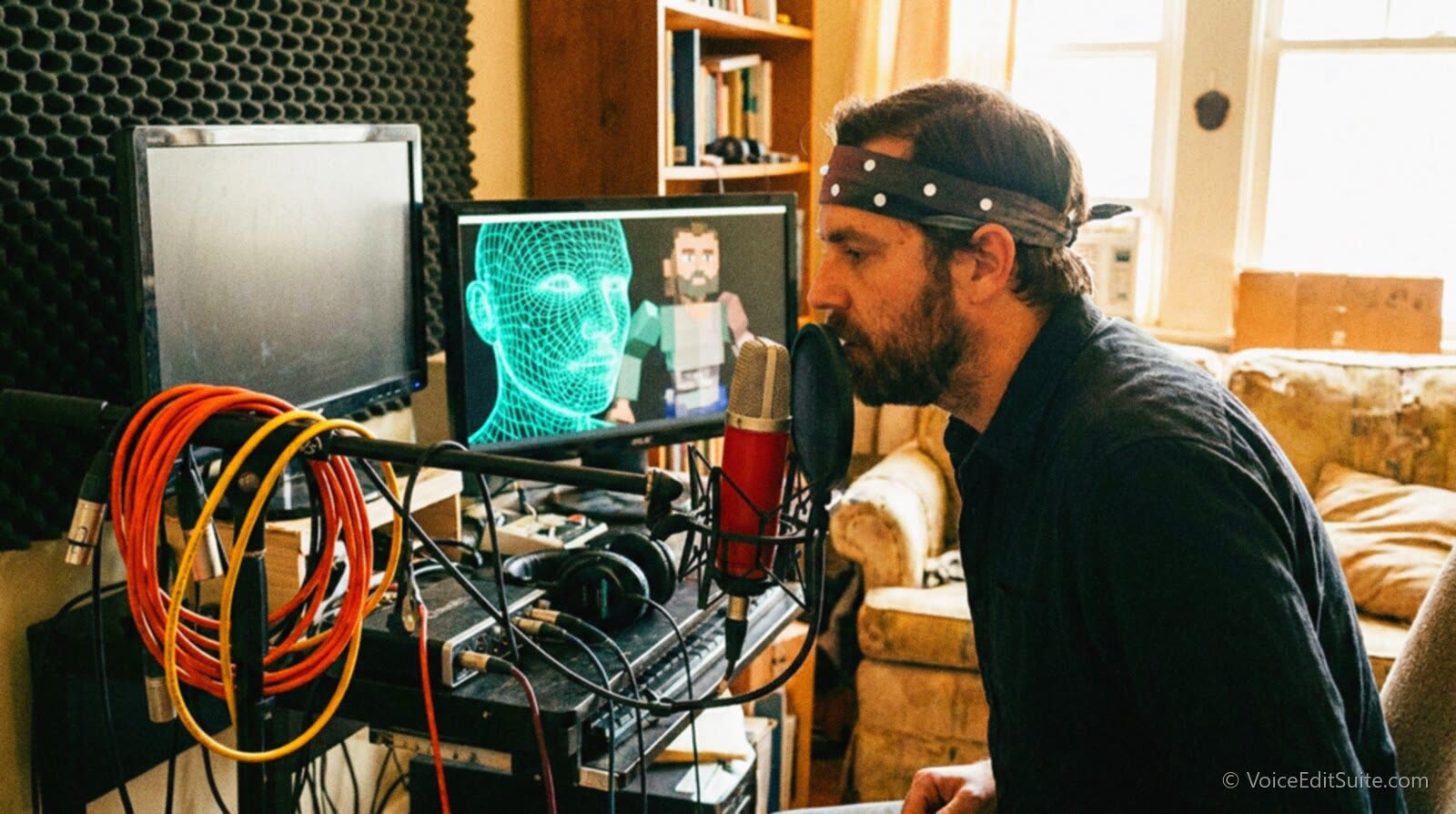
The financial upside when a digital human contract is structured well mirrors the downside risk when it isn't. A character that becomes a long-running brand asset can generate licensing, merchandise, and sponsorship revenue for years past the original signing, which is exactly why performers should be negotiating usage-based royalties or renewal fees up front rather than accepting a single flat buyout for a character whose commercial life has no defined end date. A flat fee might look generous relative to a single ordinary session rate, but it stops paying the moment it's signed, while the brand's income from the character can keep climbing for years afterward, the same imbalance that left Kyle The Hooligan with nothing once FN Meka's commercial value collapsed just as fast as it had risen.
Negotiating a Digital Human or Virtual Influencer Contract
A handful of contract terms do more to determine how this kind of booking actually goes than anything about the character's concept or the brand behind it. Ask specifically how long the agreement runs and what happens at renewal, since an open-ended term with no renegotiation point locks in whatever rate was agreed at the character's least valuable moment, before any following or sponsorship revenue existed. Ask whether the fee is a flat buyout or tied to the character's usage and sponsorship income, and push for the latter wherever the brand's own plans suggest a character built to run for years rather than one campaign. Ask what exclusivity the contract demands, since a brand effectively asking you to originate its flagship character's voice for years is also asking you not to voice anything that could sound similar for a competitor, a real cost that belongs in the rate the same way exclusivity holds get priced into NDA-covered projects. And read the morality or conduct clause specifically for how it treats the performer's own, separate work and public conduct outside the character, since a character built to be scandal-proof is frequently paired with a contract that holds the human performer behind it to a stricter personal-conduct standard than an ordinary voice over booking ever would.
↗ Try the tool
Studio Rescue
A character meant to sound identical in session two and session two hundred can't tolerate a home studio that drifts: a different mic placement, a new room treatment, or a creeping noise floor shows up immediately once a brand's social team is stitching together months of clips into one continuous voice. The Studio Rescue tool walks through your actual recording space and setup to flag the kind of inconsistency a one-off commercial client might never notice, but that a years-long digital human contract absolutely will.
Open Studio Rescue →Podcast producers are watching a parallel version of this same shift happen in audio-only form. A synthetic or AI-assisted co-host, the subject of this guide to AI co-hosts and synthetic podcast voices, raises a question almost identical to a digital human's casting call: who is actually originating that voice, under what consent and compensation terms, and what happens to that person's leverage once the persona built on their performance becomes successful enough that the show no longer feels it needs to renegotiate. The lesson from FN Meka applies just as directly to a podcast network experimenting with a recurring synthetic voice as it does to a brand building a virtual spokesperson, and it applies to the broader video game voice over market as publishers increasingly commission persistent in-game companions and virtual hosts alongside traditional scripted roles: the contract signed before the character has any audience is almost always worse for the performer than the one that would get negotiated after.
Frequently Asked Questions
Do I need specialized training to get cast as a digital human, or is this normal voice over casting?
Standard voice over and character acting skills are the foundation, and most casting briefs still audition the same way a game or animation role would: a read against reference material or a draft character bible. What tends to separate candidates is comfort improvising in character for long stretches, since much of a digital human's actual output is unscripted brand content rather than a fixed script. Performers with on-camera, mocap, or performance-capture experience, like the work covered in performance capture and mocap voice work in games, have an edge on projects that pair voice with a motion-capture base, but it isn't a requirement for voice-only digital human roles.
Will I get public credit for voicing a virtual influencer or digital human?
Usually not by default, and often not even privately confirmable, since part of the commercial premise behind most virtual influencers is that the character reads as autonomous rather than performed. Treat crediting the same way you would an NDA-covered confidential project: assume you cannot name the character, the brand, or your role at all unless the contract specifically says otherwise, and ask for that language explicitly before you sign rather than assuming industry custom will cover you.
How is pay typically structured for this kind of work, flat fee or ongoing royalty?
Both structures exist, and which one you're offered says a lot about how the brand expects the character to perform commercially. A flat buyout is simpler to negotiate and guarantees payment regardless of the character's eventual success or failure, which has real value for a brand-new, unproven concept. A usage-linked royalty or renewal fee exposes you to more risk if the character never takes off, but captures real upside if it becomes a long-running brand asset, the structure Kyle The Hooligan was reportedly promised but says he never fully received once FN Meka's deal collapsed. Push for a hybrid wherever you can: a reasonable guaranteed minimum plus a share of usage or sponsorship revenue above a defined threshold.
What's the actual difference between a synthetic performer and a digital replica under SAG-AFTRA?
A synthetic performer is a wholly computer-generated character that isn't based on any specific real person's voice or likeness, the category a brand-new virtual influencer or digital human usually falls into. A digital replica is built on an identifiable real performer's actual voice or likeness, which is the category covering most AI voice cloning. The union's consent, notice, and bargaining protections for digital replicas were built for the second category, so a performer originating a synthetic character's voice from scratch should not assume those exact protections automatically apply and should look instead to the specific terms of the production or commercial contract they're signing.
Can a brand use an AI clone of my voice to keep a digital human character running without asking me again?
Not under a signatory SAG-AFTRA agreement without running into the union's digital replica consent requirements, which call for clear and conspicuous consent for each new use and advance notice before that use happens. Whether those protections actually apply to your situation depends on whether the specific production or brand is a union signatory at all, which a significant amount of virtual influencer and digital human work, originating from ad agencies, startups, and tech companies rather than traditional signatory studios, simply is not. Where there's no signatory agreement in play, the contract you personally negotiated is the only protection you have, which is reason enough to have any proposed AI usage or voice-cloning rights spelled out explicitly rather than left to a general work-for-hire clause.
Is digital human and virtual influencer casting mostly non-union work?
A meaningful share of it is, since much of this work originates from advertising agencies, tech companies, and startups building a brand character rather than from traditional film, television, or game studios operating under a SAG-AFTRA signatory agreement. That doesn't make the work illegitimate, but it does mean the union's digital replica and synthetic performer protections may not automatically apply, and a performer's actual leverage comes down entirely to the specific contract negotiated, which is a strong argument for having an entertainment attorney review a long-term digital human agreement before signing, the same way you would for any contract with no built-in union floor underneath it.
Corrections
This guide reflects publicly available reporting, market research, and union contract language current as of its publication date. Market-size estimates for virtual influencers and digital humans vary widely between research firms and should be read as directional rather than precise, and union contract terms are subject to change in future negotiations. If you spot an error, an outdated figure, or a detail that needs correcting, let us know through the contact page and we'll fix it.
Sources and Further Reading
- Straits Research, Virtual Influencer Market: 2025 and 2026 virtual influencer market size estimates and projected compound annual growth rate cited in this guide's market section.
- Future Market Insights, Virtual Influencer Market: a separate 2026 market size estimate for the virtual influencer category.
- Technavio, Digital Human Avatar Market Industry Analysis: 2025 digital human avatar market size and growth rate.
- Roots Analysis, Virtual Influencer Market: the estimated 2026 market share held by photorealistic, human-styled avatars versus stylized characters.
- CNN via ABC17News, Capitol Records drops virtual rapper FN Meka over criticism that it was offensive to Black artists: reporting on FN Meka's signing, the Industry Blackout open letter, and Capitol Records' apology and exit.
- Vice, We Spoke to the Actual Artist Behind FN Meka, the Controversial AI Rapper: the original interview with Kyle The Hooligan, source of the verbatim quote used in this guide.
- Mixmag, Voice behind controversial AI rapper FN Meka says creators "ghosted" him: additional reporting on Kyle The Hooligan's account of being cut out of the project after its collapse.
- SAG-AFTRA, Contract Bulletin: A.I. Synthetic Performer vs Digital Replicas (PDF): the union's own definitions of synthetic performers and digital replicas cited throughout this guide's union section.
- SAG-AFTRA, Digital Replicas overview (PDF): the union's consent, notice, and compensation framework for digital replica use.
- Perkins Coie, Generative AI, Movies, and TV: How the 2023 SAG-AFTRA and WGA Contracts Address Generative AI: summary of the 2023 television and theatrical agreement's synthetic performer notice and bargaining provisions.
- Mondaq, Importance of Digital Replica Consents Under the SAG-AFTRA Commercials Contract: the 2025 Commercials Contract's Digital Replica Rider and its consent requirements.
- BakerHostetler, Updated FTC Endorsement Guides Hold Virtual Influencers to Actual Standards: summary of the FTC's 2023 Endorsement Guides update extending disclosure rules to avatars and virtual influencers.
- Federal Trade Commission, The FTC's Endorsement Guides: What People Are Asking (PDF): the FTC's own plain-language guidance on endorsement disclosure requirements.