
Headphones built for enjoying music are deliberately not neutral: extra bass, a smoothed top end, a flattering overall curve designed to make a mix sound good rather than reveal exactly what is in it. That same flattering curve is a genuine liability for voice over work, where the entire point of monitoring is to hear precisely what a mic captured, including the mouth click, the sibilance, or the faint hum you need to catch before it becomes someone else's problem.
Closed-Back Is the Right Category for This Work
Closed-back headphones seal against the ear and block outside sound from leaking in, which matters twice over for a voice actor: they prevent your own monitoring mix from bleeding into a live mic while you record, and they let you judge a recording accurately without background noise from your own room competing with it. Open-back headphones, favored by some for a more natural soundstage, leak sound in both directions and are a poor fit for anywhere you are also recording, even if they sound pleasant for casual listening elsewhere.

What Actually Matters in the Spec Sheet
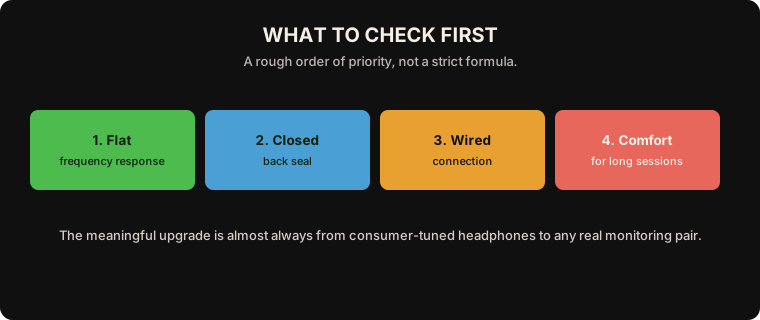
- A flat, or close to flat, frequency response. Look for headphones marketed specifically as studio monitoring or reference headphones rather than consumer or gaming headphones, which are tuned for excitement rather than accuracy.
- Comfort for genuinely long sessions. A pair that clamps too tightly or heats up the ears becomes a real distraction during a multi-hour editing pass or a long narration session; try before buying when at all possible, or buy from a retailer with a real return policy.
- A cable, not exclusively wireless, for anything used while recording. Bluetooth introduces latency that makes monitoring your own voice while speaking genuinely disorienting, and most wireless headphones compress audio in a way that hides exactly the detail you need to hear.
- Real isolation, not just marketing copy about it. Passive isolation from a proper closed-back seal matters more here than active noise cancellation, which processes the audio in ways that can subtly color what you are trying to monitor honestly.
One good pair, used for both tasks, is enough
A single accurate, comfortable closed-back pair covers recording and editing well. There is no need for a separate headphone for each stage unless you specifically want a spare on hand for when the first pair needs a cable repair or a cushion replacement.
Why This Matters More While Actually Recording
Headphones that flatter a recording while you are performing can genuinely mislead you into thinking a take sounds cleaner than it is, only to reveal a mouth click or a proximity effect problem once you move to editing on the same honest pair. Using the same accurate headphones for both recording and editing keeps that judgment consistent through the whole process, rather than getting a rosier picture at the mic and a harsher surprise later.
↗ Try the tool
Loudness Normalizer
Free to try: Loudness Normalizer measures your file against real broadcast and platform specs, a useful second check beyond your own ears and headphones when you want a confirmed, objective number rather than a subjective judgment call.
Open Loudness Normalizer →You Do Not Need the Most Expensive Option
A genuinely flat-response, well-built closed-back pair is available at a wide range of price points, and the jump from a reasonable mid-range option to a far more expensive one buys diminishing returns for the specific task of catching mouth clicks and judging levels honestly. The meaningful upgrade is almost always from consumer-tuned headphones to any real monitoring pair, not from one monitoring pair to a much pricier one.
Accuracy Over Excitement
The single question worth asking before buying a pair of headphones for this work is whether they are built to reveal a recording honestly or to flatter it. A modest, genuinely flat-response closed-back pair, used consistently for both recording and editing, does more for the quality of your finished files than almost any other single piece of gear in the chain.